Hand to hand
A protest with nobody in charge worked out how to move water, goggles and umbrellas through two million people. The method outlived the movement and went abroad.
- Subject
- Hong Kong, Protest, Method
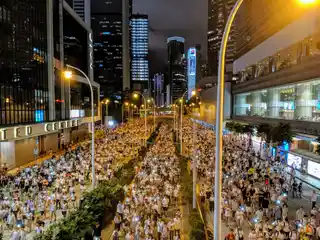
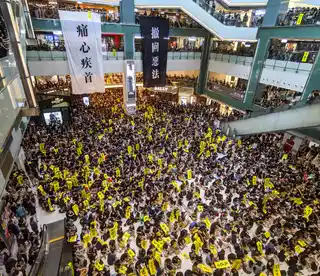
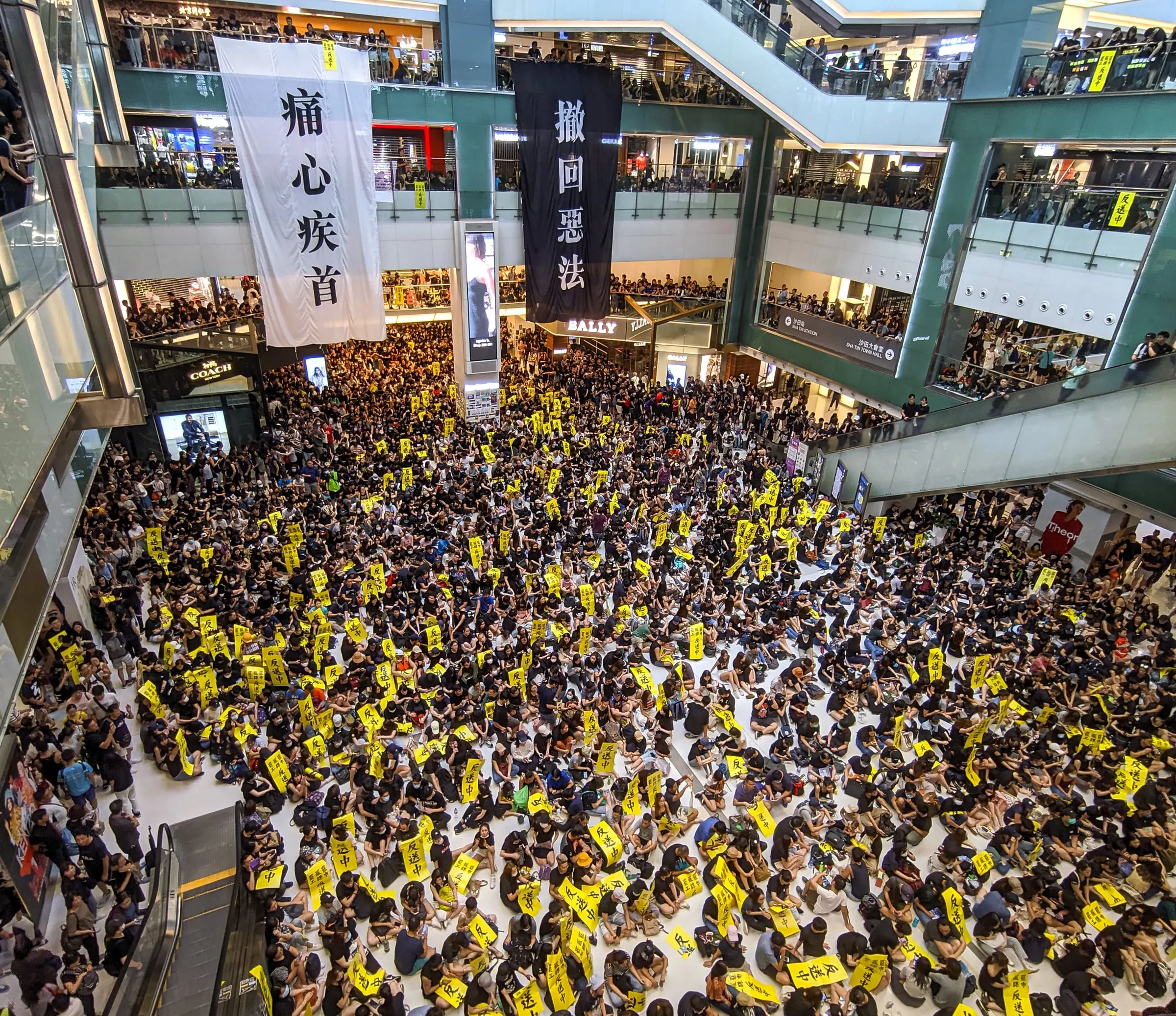
The thing that was unusual about Hong Kong in 2019 was not the size of it, although it was very large. It was that there was nobody running it. There was no organisation to join, no committee to negotiate with and, deliberately, nobody whose arrest would end it. What there was instead, within about eight weeks, was a working method: a way of moving material, making decisions and getting out again, invented in public by a crowd that had never done any of it before.
Start with the supply problem, because everything else follows from it. A crowd that dense cannot be walked through. Water, goggles, helmets, cling film, cable ties, umbrellas and saline all had to reach the front, and the only thing that moves through a packed street is something passed from hand to hand. So the lines formed: chains of people hundreds of metres long, handing boxes forward and rubbish back. Shouting does not carry over that distance and a radio can be listened to, so a set of hand signals was worked out instead, one gesture per item, drawn as diagrams and circulated online until a request for goggles could travel down a line faster than a person could walk it.
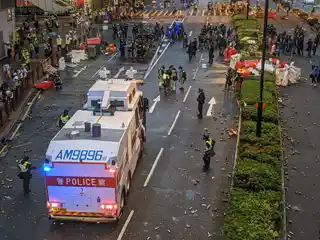
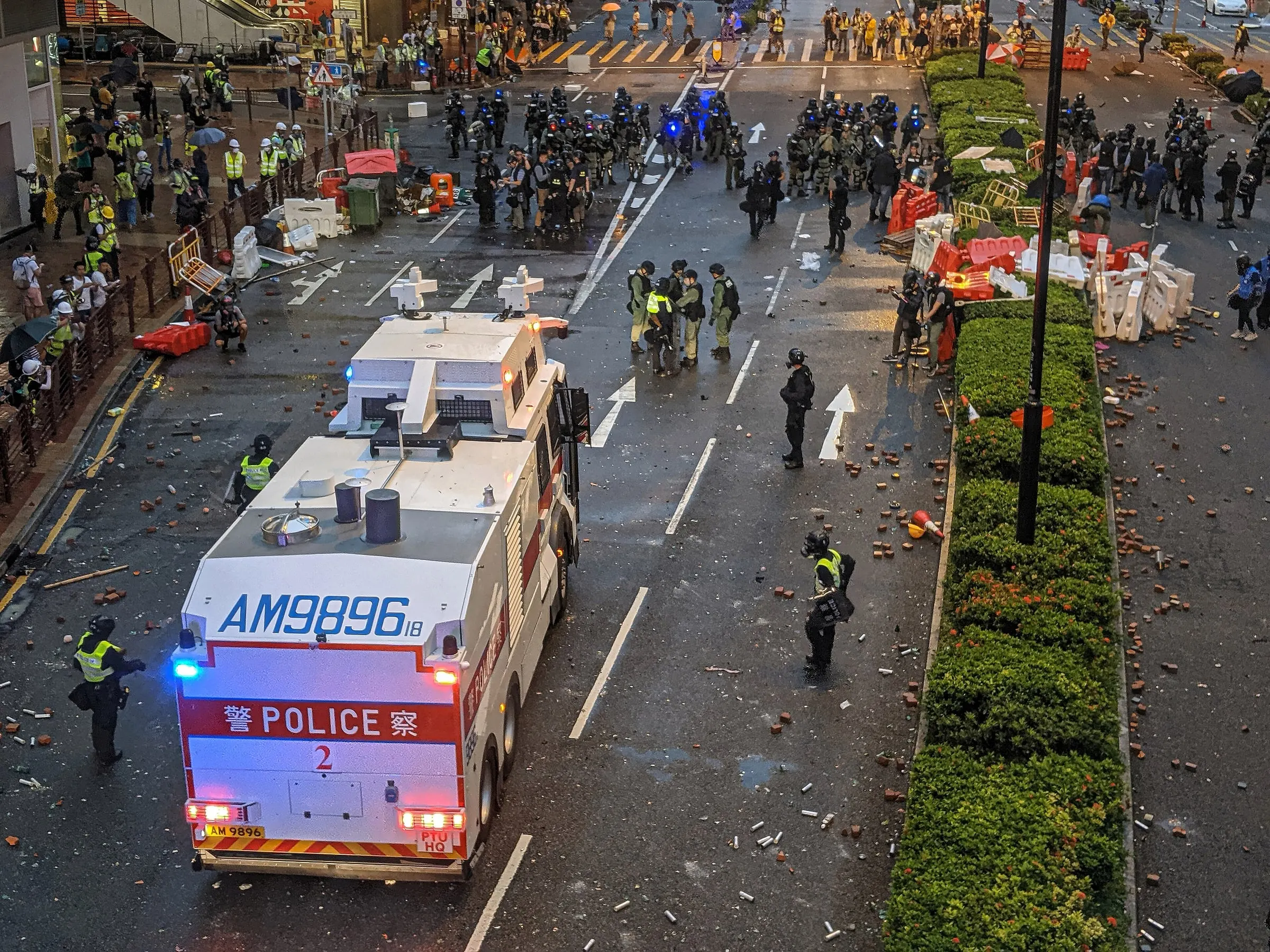
The tools were ordinary and the uses were not. Umbrellas went up against pepper spray and, just as often, against cameras. A traffic cone dropped over a tear gas canister and filled with water smothers it; a leaf blower pushes the gas back. Masks were not theatre, they were the practical answer to being recorded, which is why in October 2019 the government reached for emergency powers that had not been used since 1967 to ban face coverings at public assemblies.
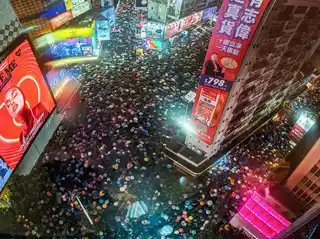
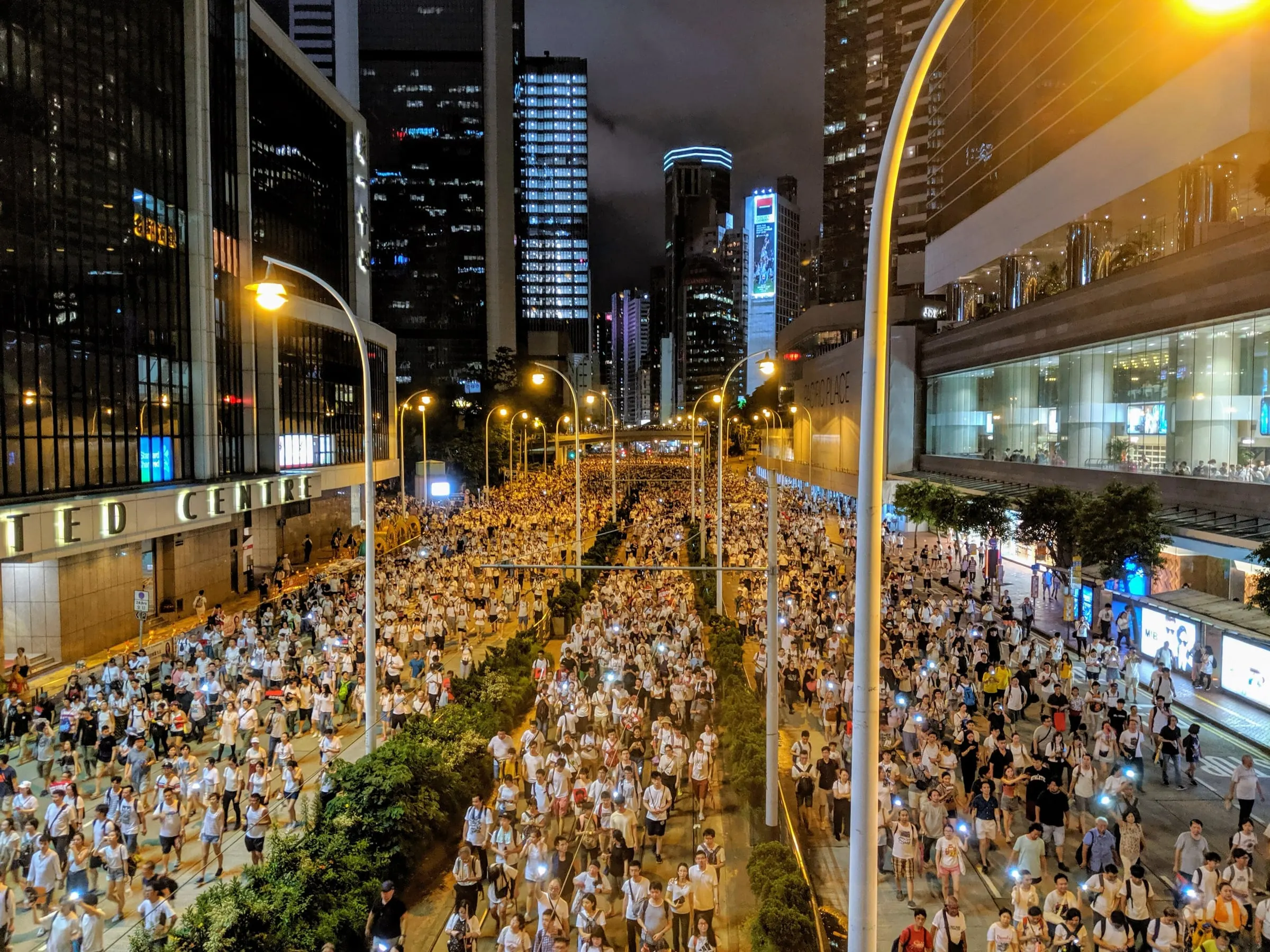
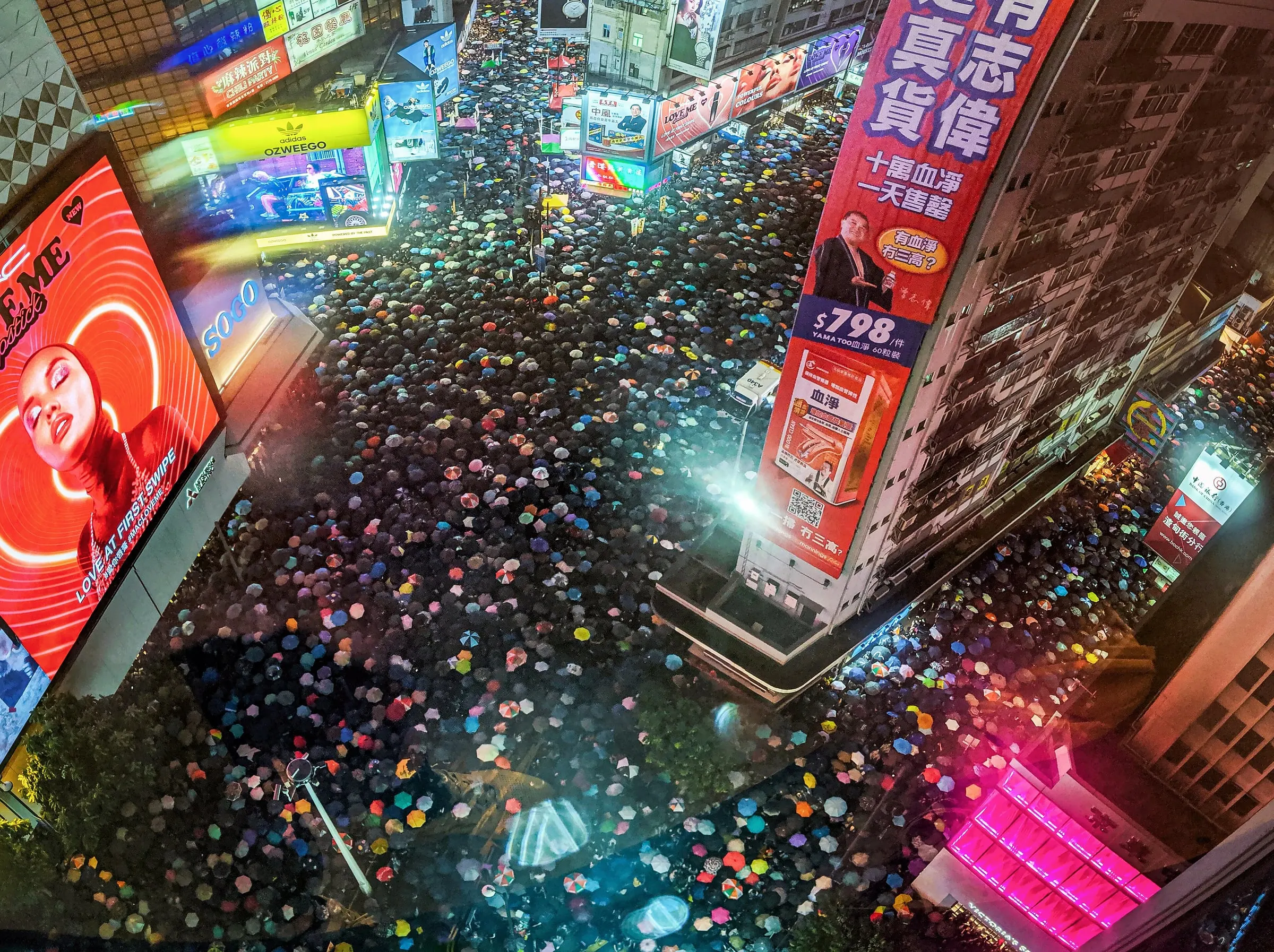
Decisions were made the same way the signals were. Proposals went up on LIHKG, a local forum, and were voted up or buried; Telegram channels with hundreds of thousands of members ran polls on where to go next; notices were pushed to strangers on the train by AirDrop. The governing phrase was taken from Bruce Lee: be water. Gather, do the thing, dissolve before the police arrive, and be somewhere else. The rally on 18 August was called a flowing assembly for exactly this reason. A march had been refused permission, so nobody marched. People arrived, crossed the ground and left, which was legal, and 1.7 million of them did it in the rain.
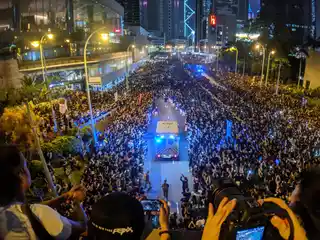
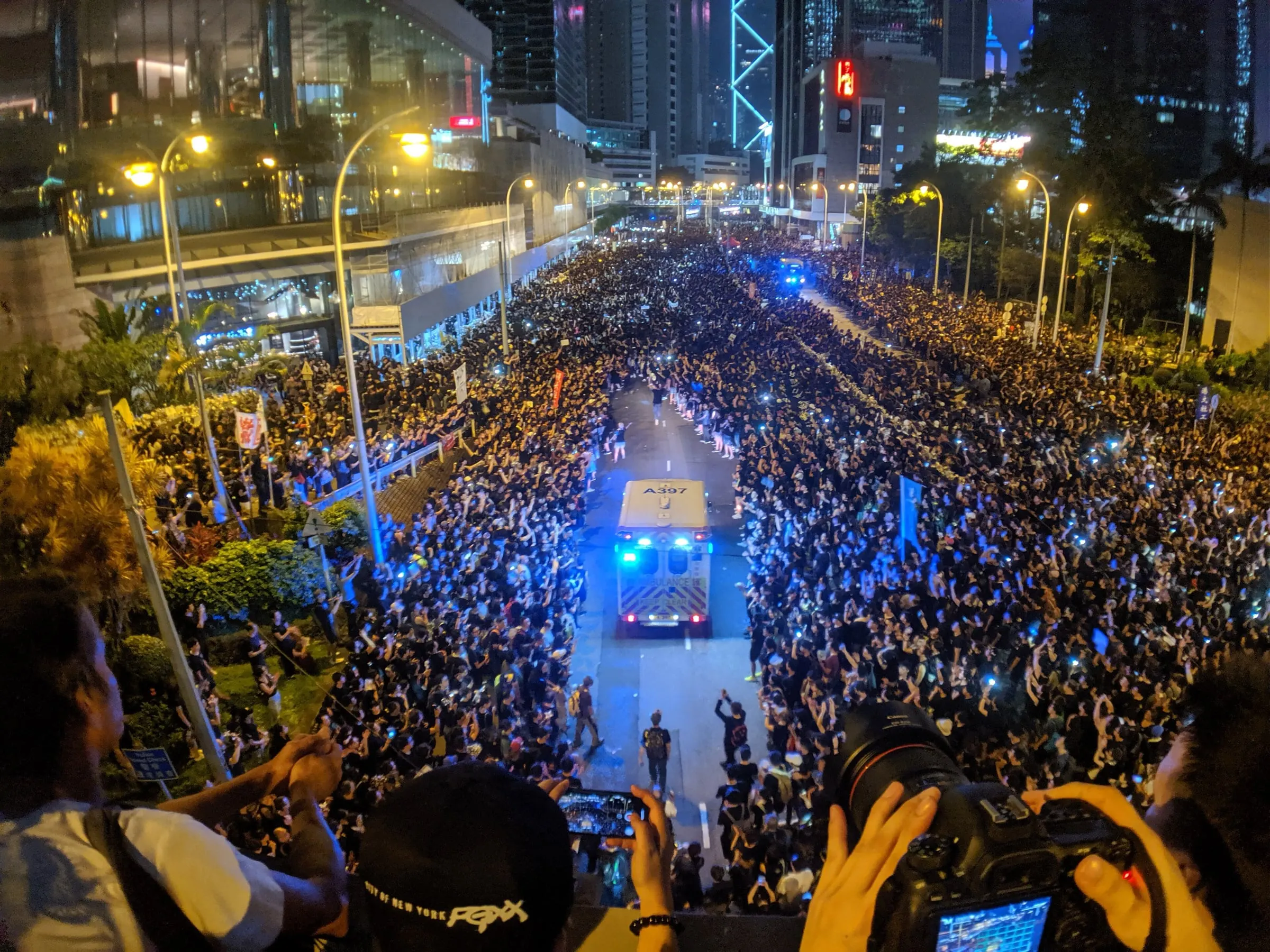
The discipline is the part that is hardest to convey and easiest to photograph. The corridor that opens for an ambulance in the second picture here was not organised by anyone. Nor was the clearing of rubbish after a rally, or the queues at ticket machines where people paid cash for single journeys rather than tap a stored-value card that would log where they had been. These were not gestures. They were a crowd working out, in real time, what a crowd has to do to keep being allowed to exist.
None of it worked. The bill was withdrawn, which had been the first demand, but by the time the withdrawal was announced in September 2019 there were five demands and the withdrawal answered one. Then came the pandemic and the emptying of the streets, and then, on 30 June 2020, the national security law. The arrests that followed took in the organisers, the legislators and the people who had run the primary election; Apple Daily was shut in 2021; the rest left. The method had no answer to a law.
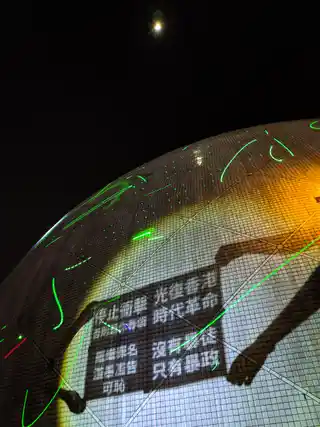
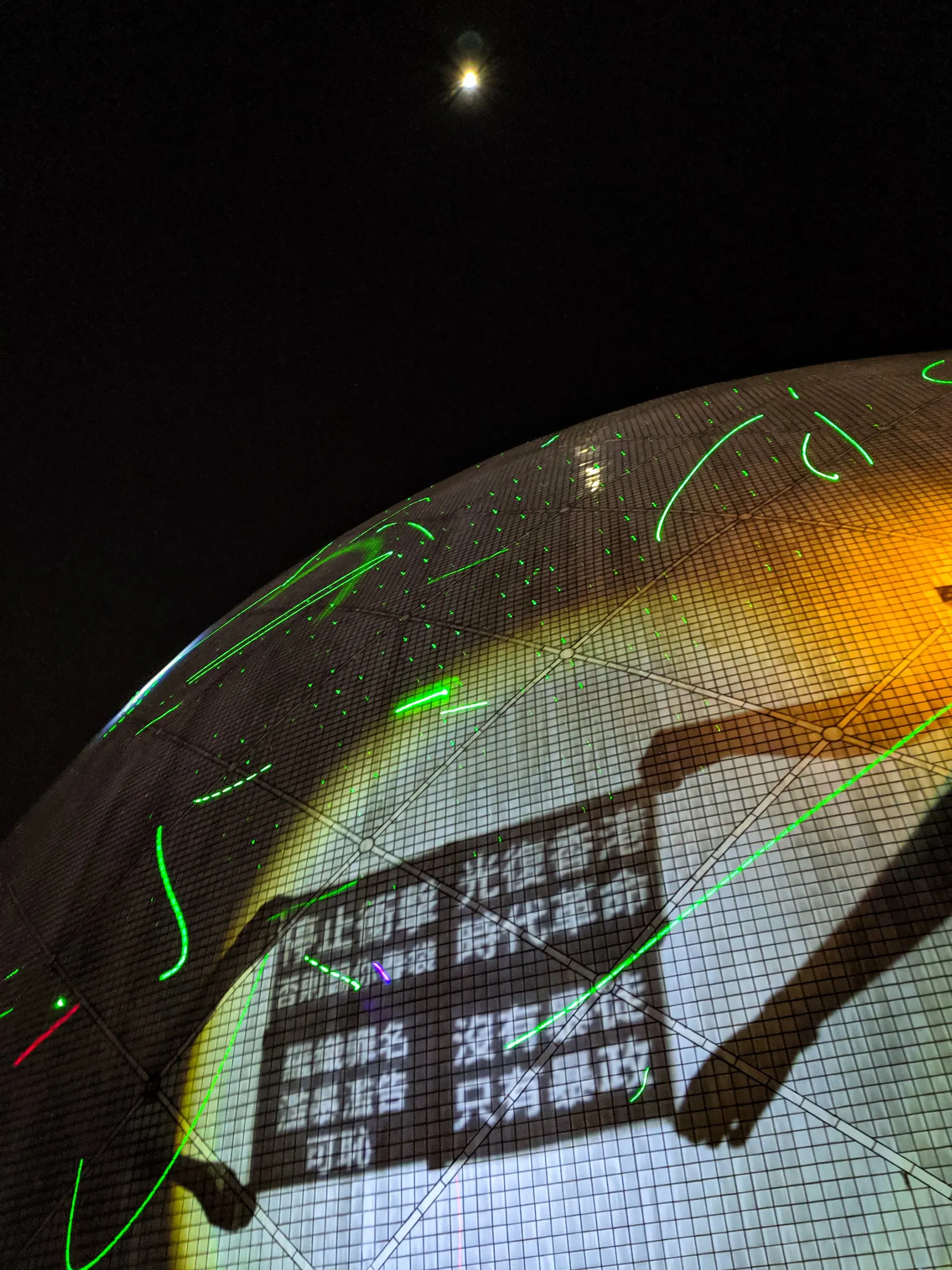
What outlived it was the method itself. Through 2020 the same tactics turned up in Bangkok, in Barcelona and in Minsk, passed on exactly the way they had been invented, by diagram and screenshot between people who had never met, under the half joking name of the Milk Tea Alliance. The photographs above belong to the same habit: they were taken by somebody working under a pseudonym who put them out under a licence that lets anyone republish them, which is why they are here. The cause did not travel. The knowledge of how to run a crowd did, and it is in other people's hands now.
Written here, from the published record. The photographs are not ours: they were taken by Studio Incendo and are used under CC BY 2.0, which asks for the credit above and nothing else. They have not been altered beyond resizing.