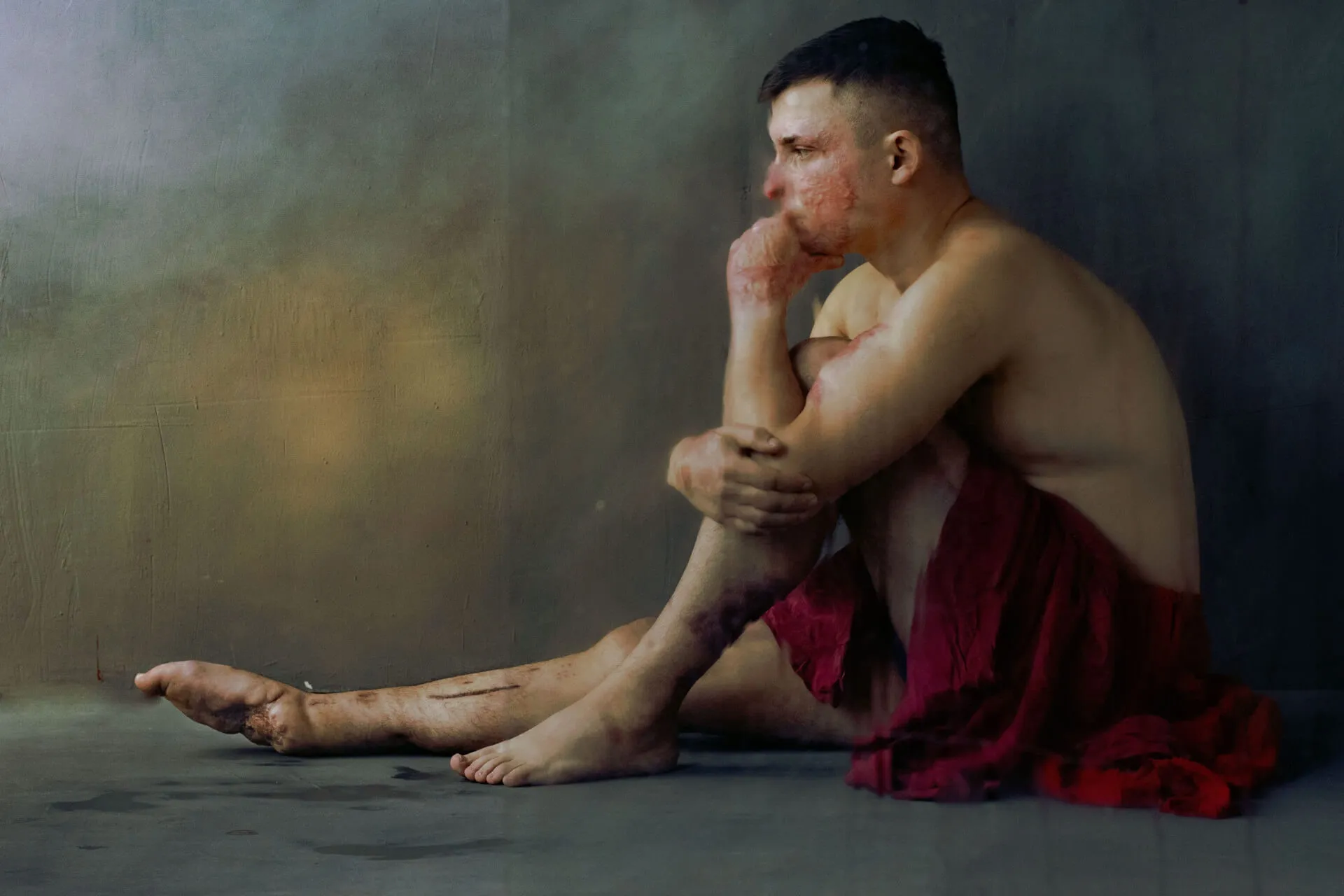
The pose is two thousand years old
Marta Syrko photographs soldiers who came back without an arm or a leg, in the poses of Greek statues. The statues are missing limbs too, and nobody calls them broken.

Marta Syrko photographs soldiers who came back without an arm or a leg, in the poses of Greek statues. The statues are missing limbs too, and nobody calls them broken.

Nadia Lee Cohen bought a box of name badges at a flea market, invented a person for each one, and then spent a year becoming all thirty-three of them herself.
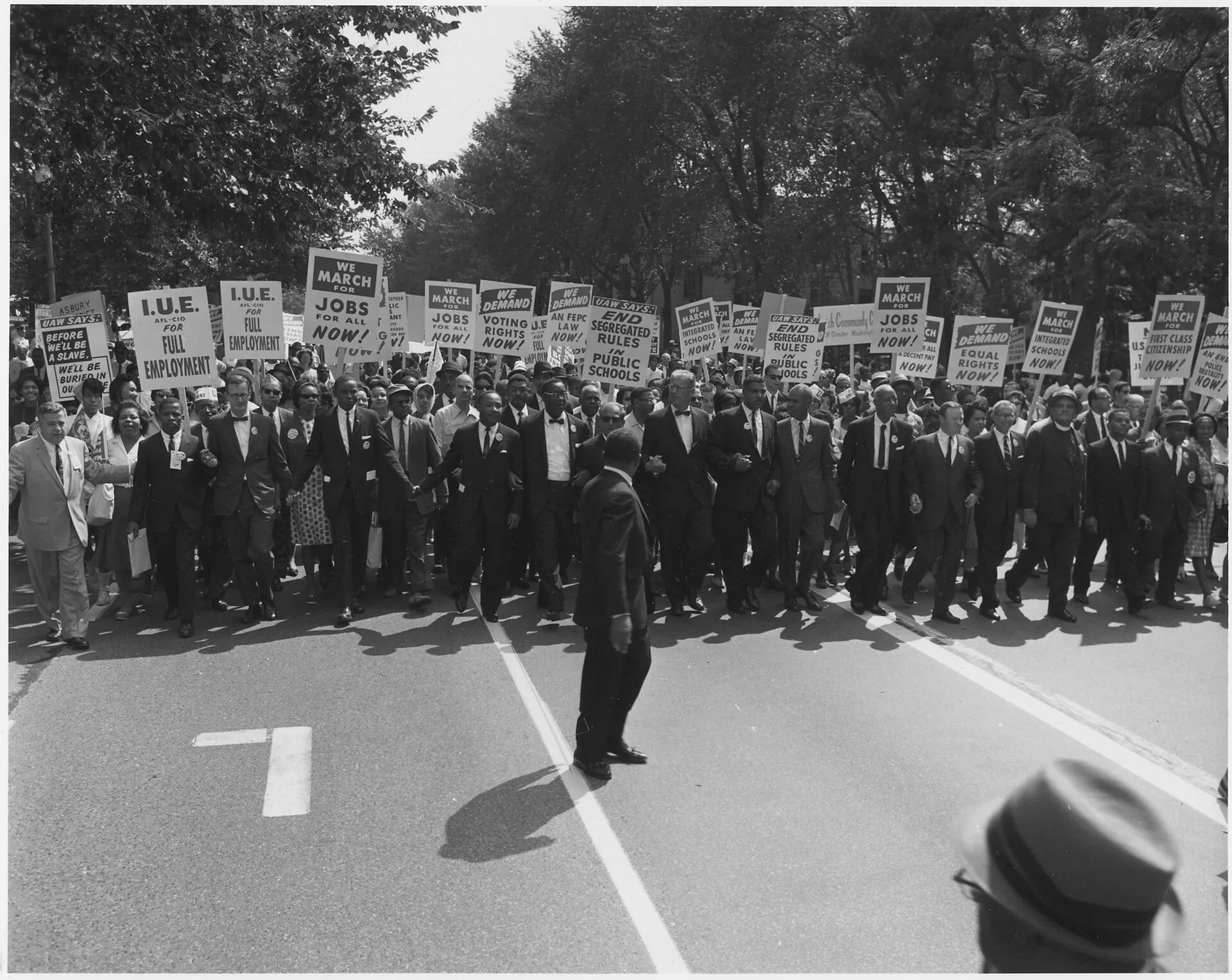
A protest is shaped by whatever it can broadcast with: the wire services, the television, the meeting, the phone. Each time, the state learns the new medium about a decade late.
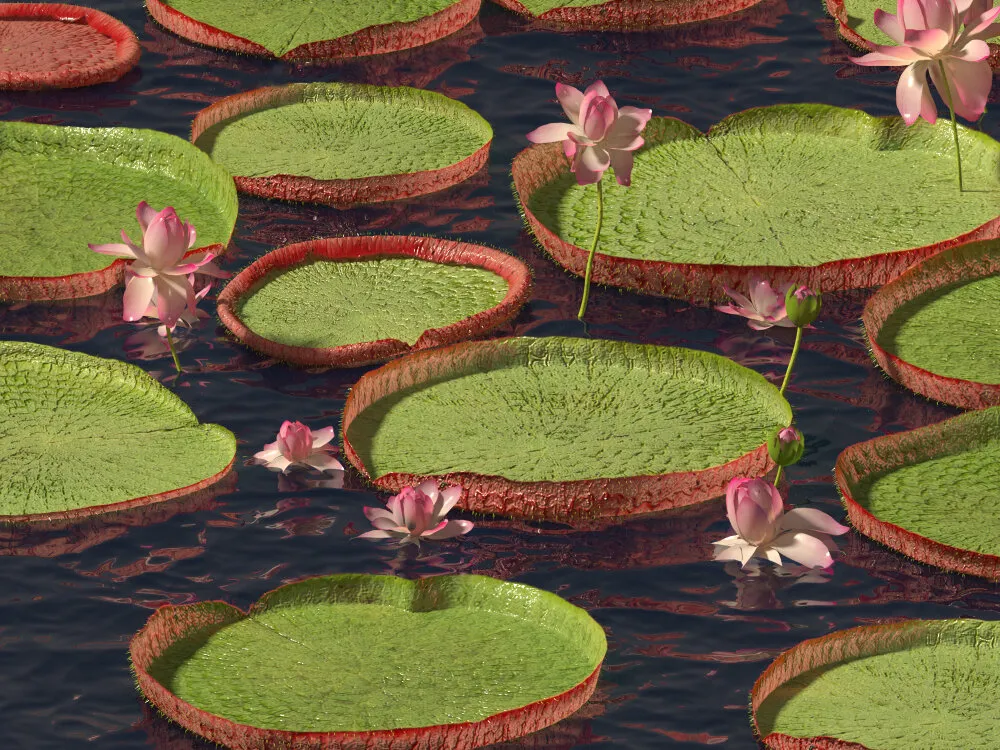
A plant that fights for the surface of a pond, and the frame under its leaf that put up the first prefabricated building in the world.
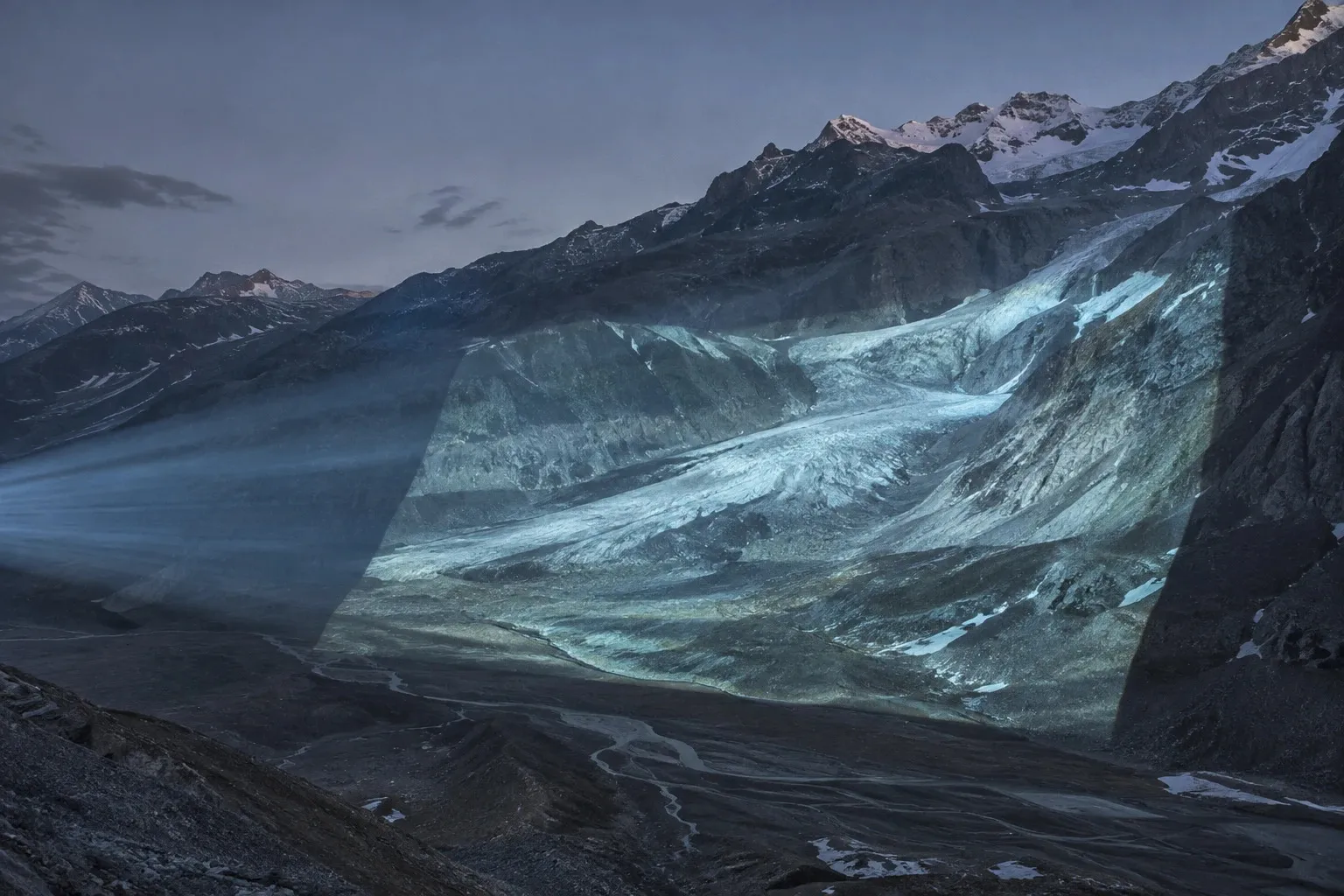
A river can change which ocean it drains into in four days. The planet has always rebuilt its own relief and never worked to a design. What is new is the clock.
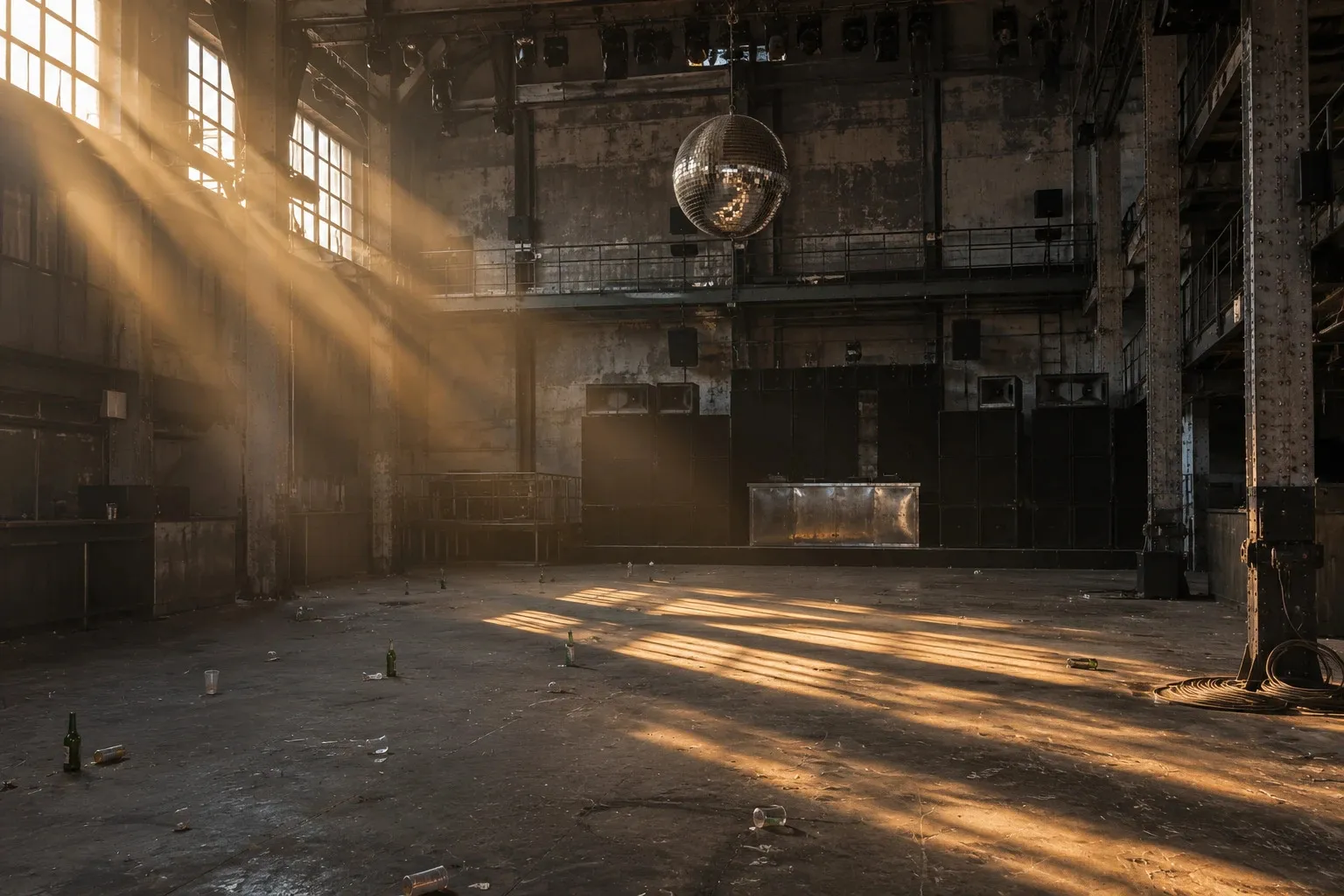
Berlin techno did not choose its buildings. It took what the East left standing, and the rooms decided what the music had to sound like.

For thirty years Viviane Sassen has been turning people until they stop reading as people and start reading as shapes, with a hard edge of shadow doing the cutting.
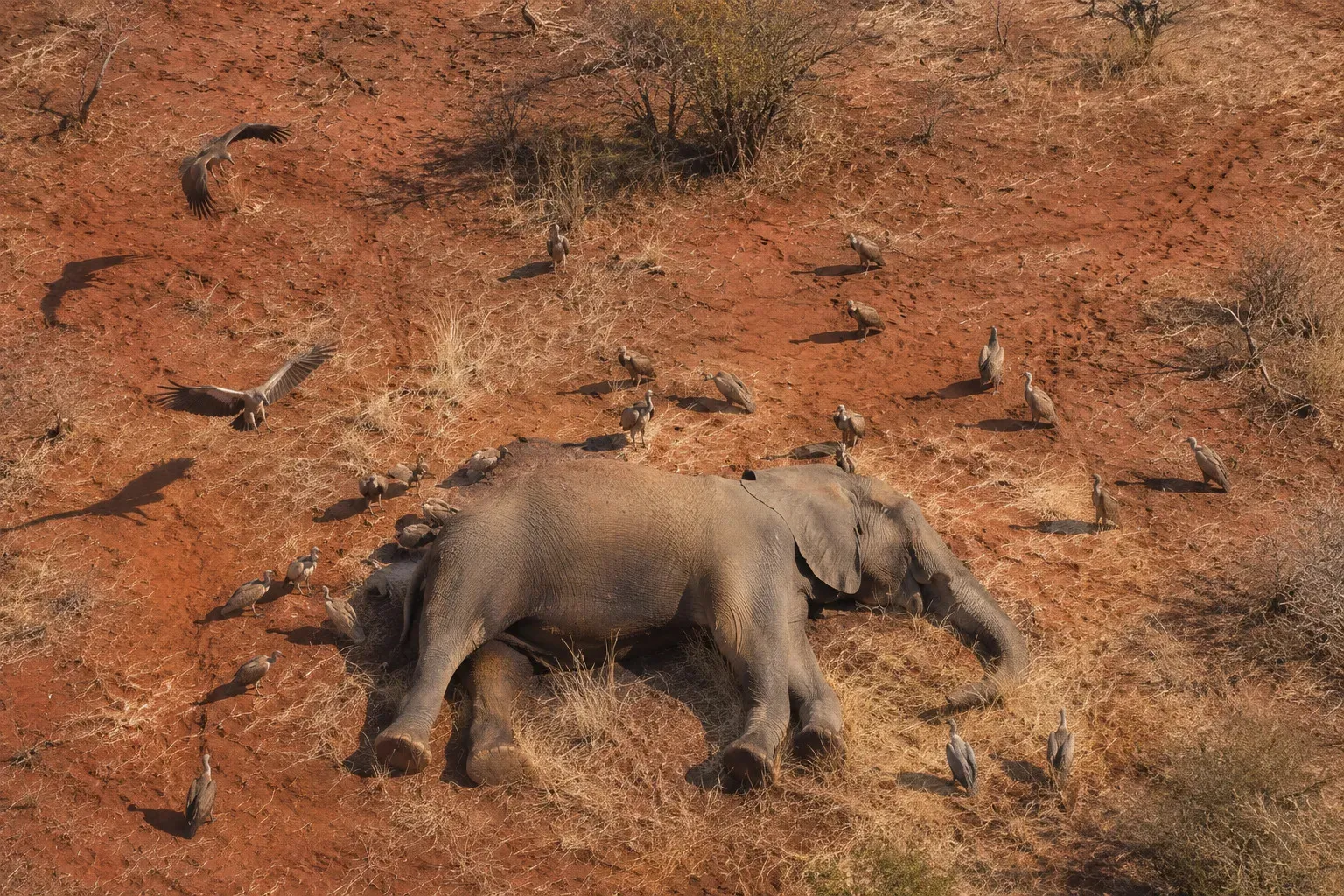
Vultures find a poached elephant before any ranger does. That is why poachers poison the carcass, and why most of a continent of vultures is gone.
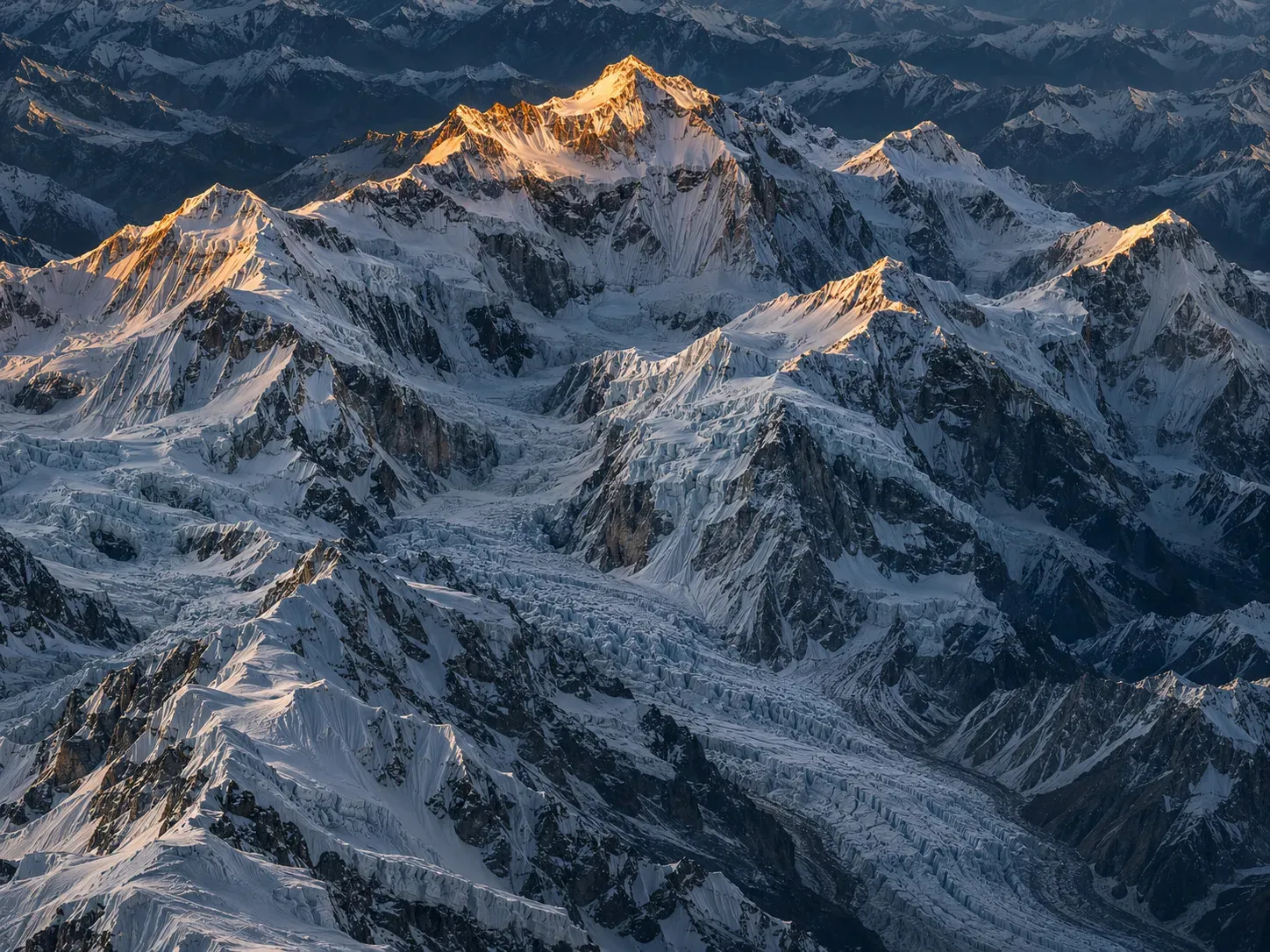
Kangchenjunga was climbed in 1955, and its highest point has still never been stood on. The men who got there stopped a few feet short, because they had given their word.
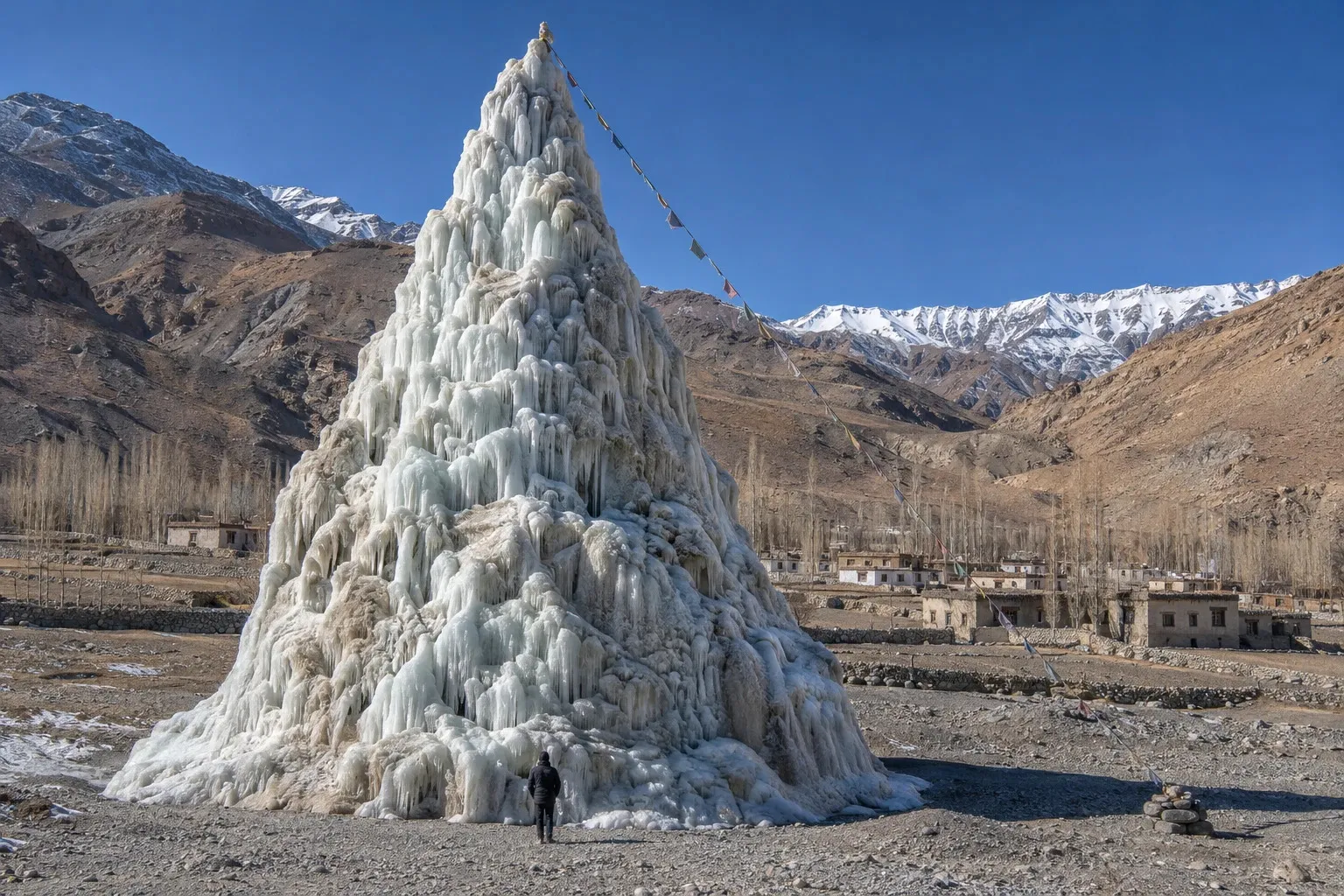
Ladakh gets its water in July and has to sow in April. The fix has no pump, no power and no moving parts: it is a cone, and the shape is the whole machine.
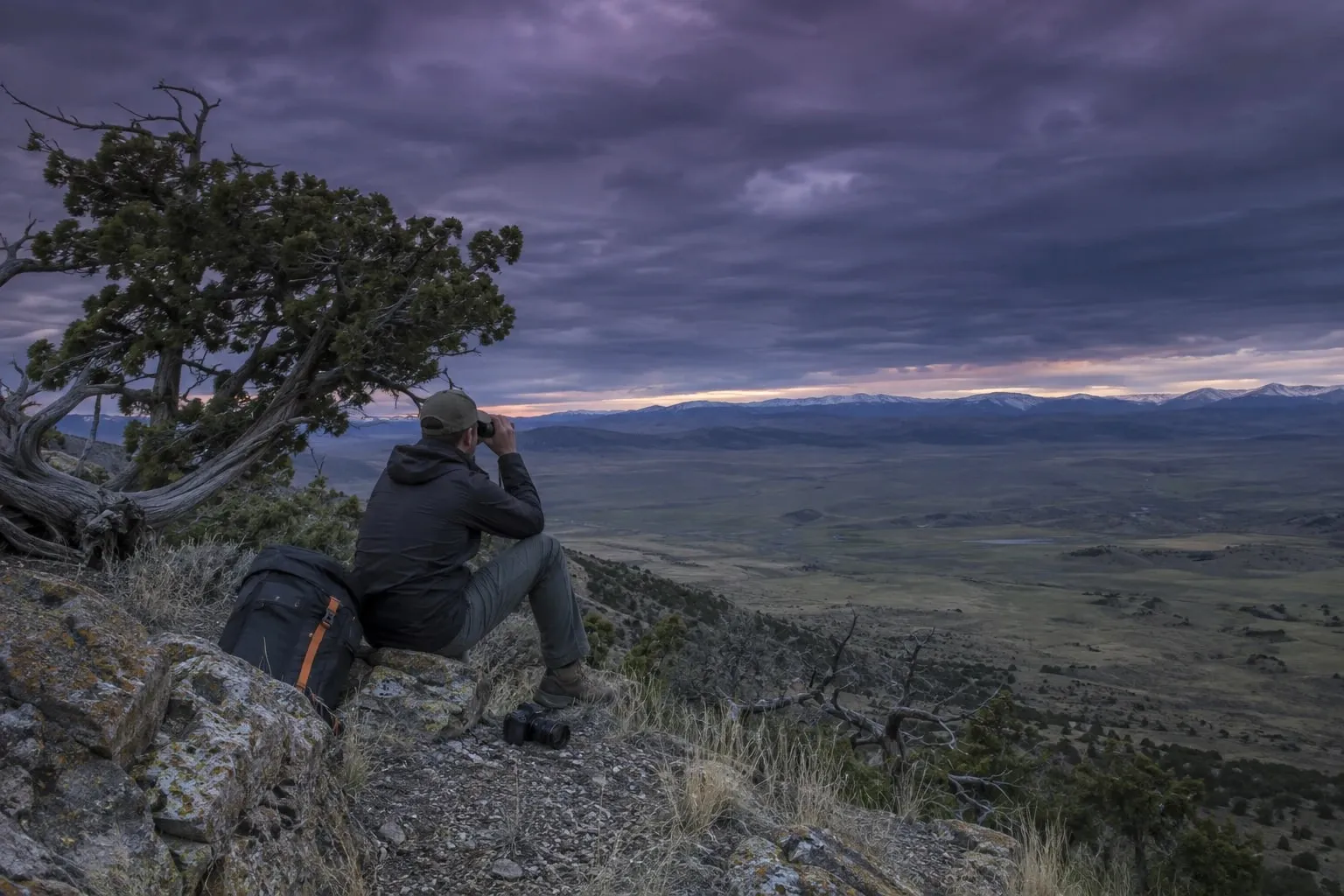
Rowan Teale shot weddings for eleven years and then stopped. He works one catchment with four dogs now, and the dogs are the instrument: he watches them, and they tell him where the picture is.
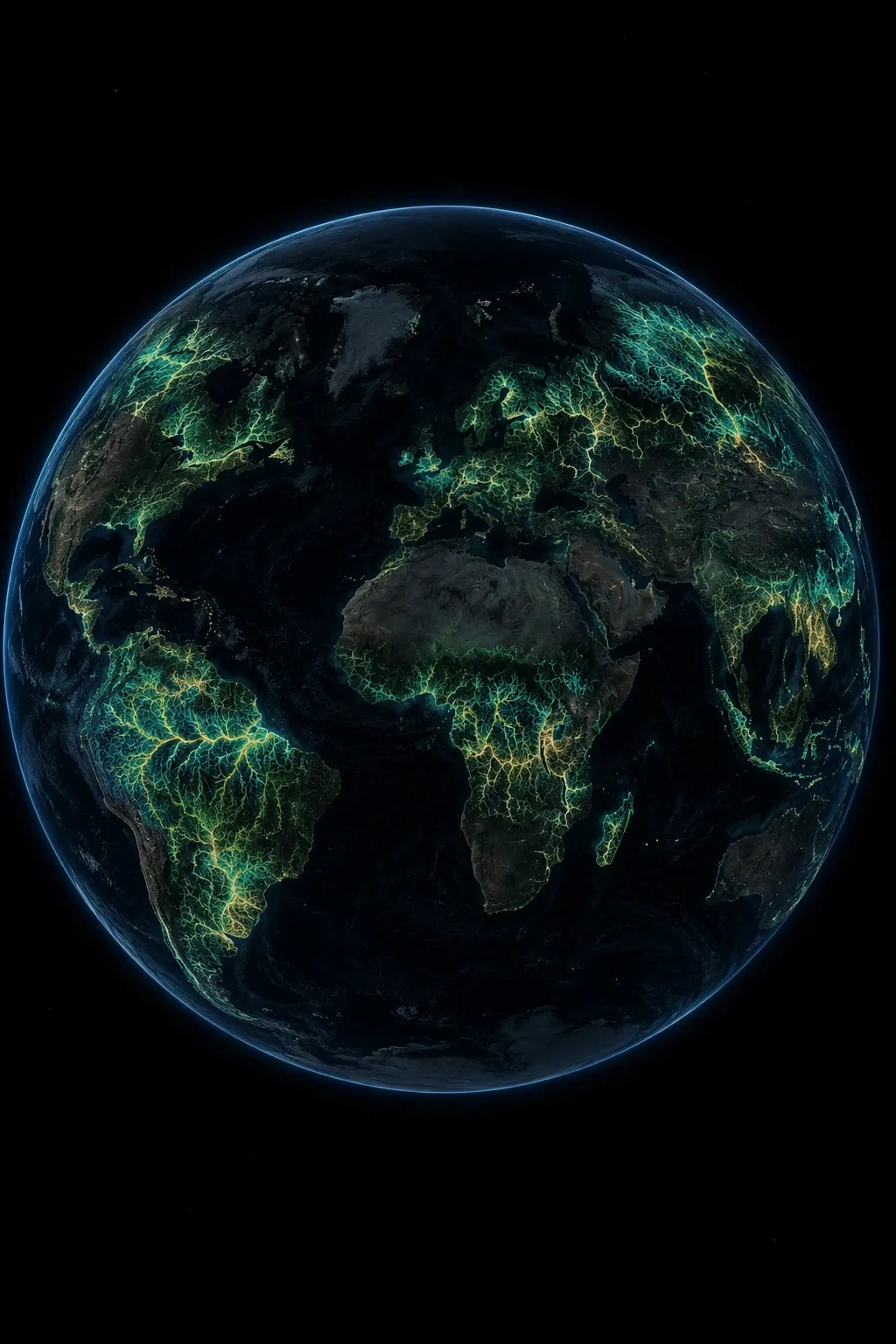
Plants have been paying fungi for phosphorus since before there were forests. What is under the ground is not one web, and it was never a charity.
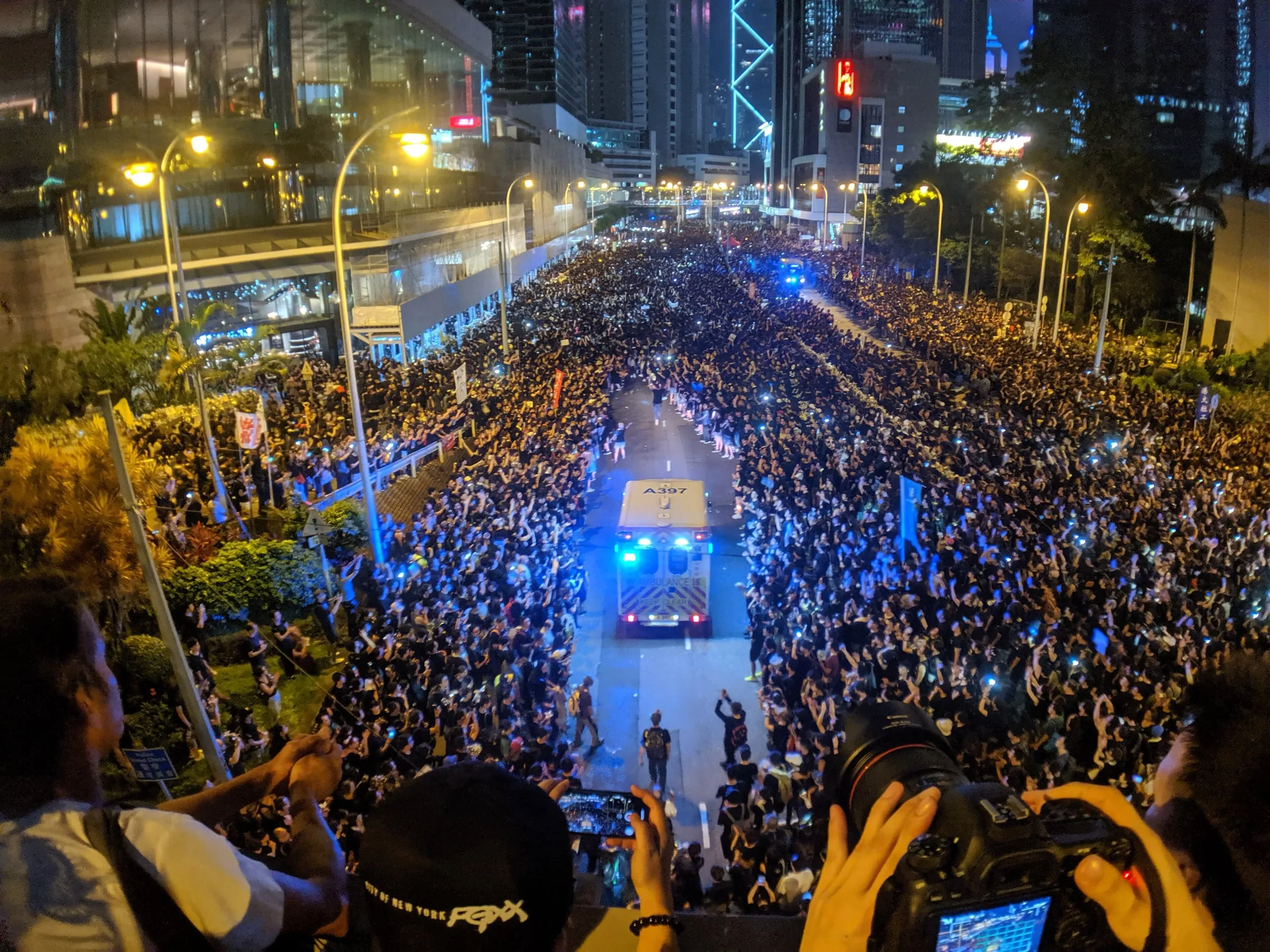
A protest with nobody in charge worked out how to move water, goggles and umbrellas through two million people. The method outlived the movement and went abroad.
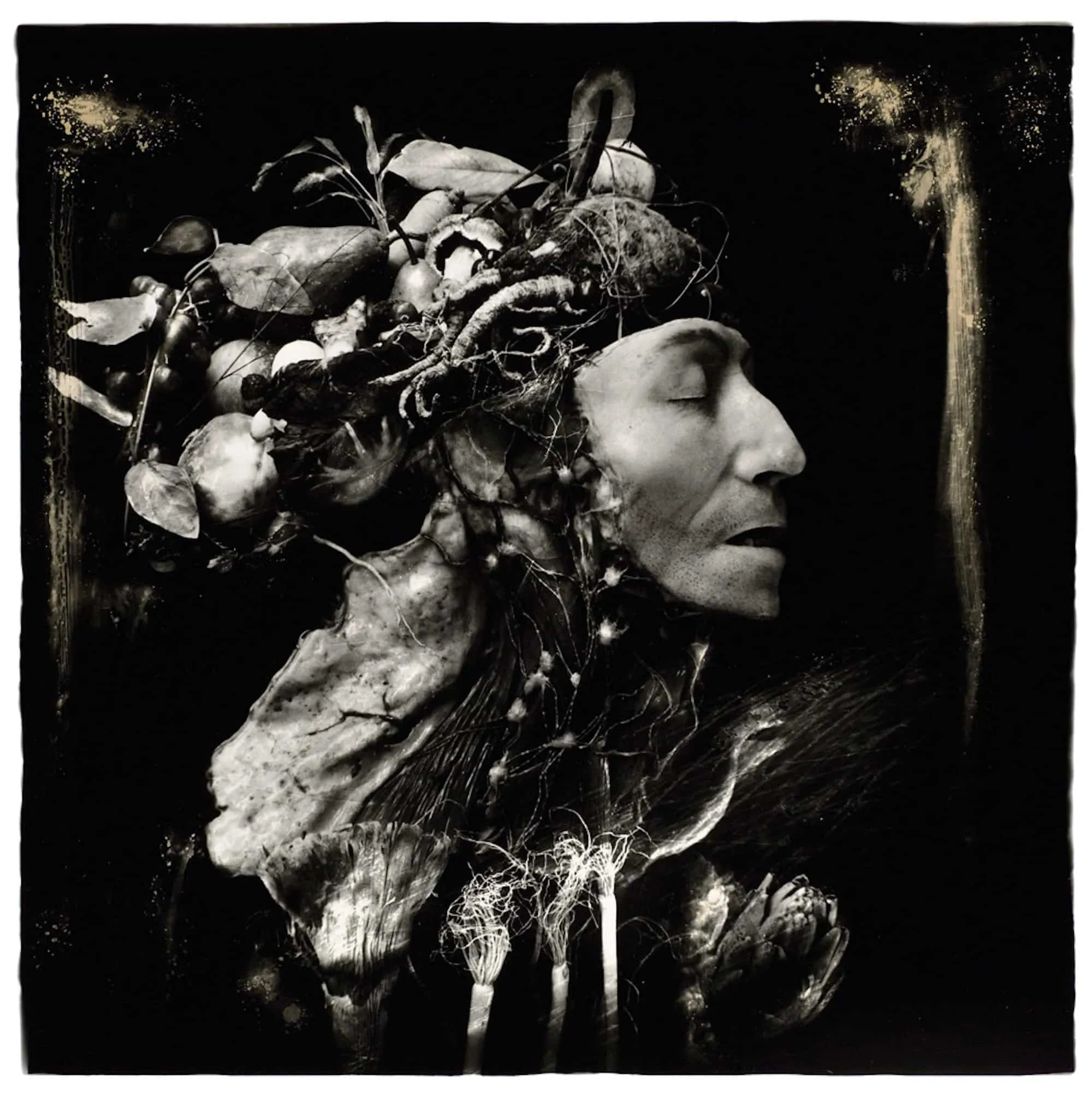
Joel-Peter Witkin stages what nobody wants to see, then scratches, pierces and bleaches the negative until the photograph looks a hundred years old. The damage is what makes it bearable.